
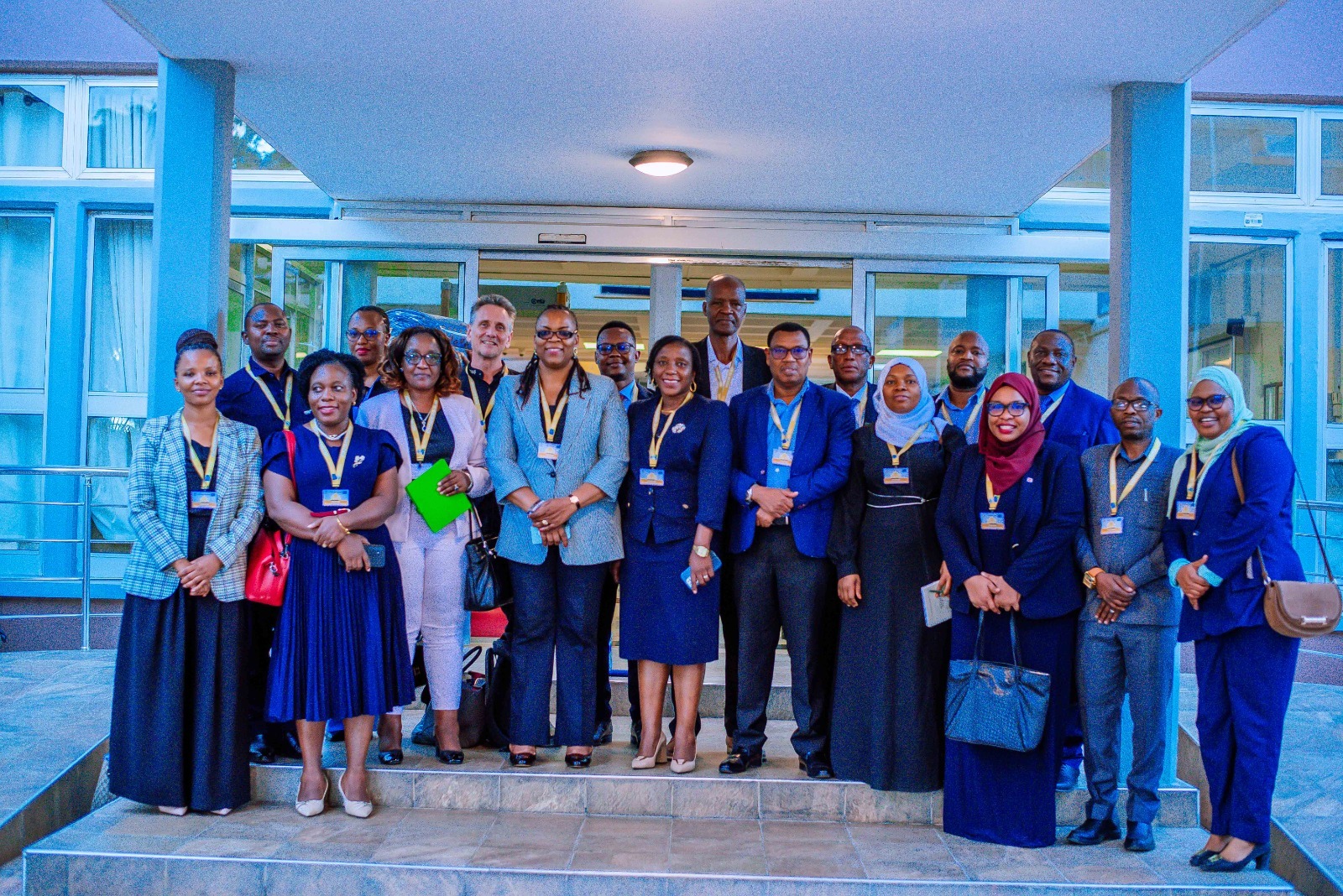
Dodoma, Tanzania — Early childhood is not merely a transient development phase; it constitutes the foundational bedrock of a nation’s long-term human capital and macroeconomic resilience. On April 29, 2026, the Tanzania Early Childhood Development Network (TECDEN), in coordination with a coalition of multi-sectoral stakeholders, convened a high-level advocacy session with the Parliamentary Standing Committee on Social Welfare and Community Development. The central objective of the briefing was to secure a binding legislative commitment to prioritize strategic, institutionalized investments in Early Childhood Development (ECD), specifically targeting the critical growth window of children from birth to eight years of age.
To achieve a sustainable and legally protected ECD framework, TECDEN and its partners presented a three-part policy blueprint to the Parliamentary Committee requiring immediate legislative action. The called for:
a) A dedicated budget allocation through a ring-fenced national fund to ensure predictable, long-term financing across health, nutrition, and early education sectors.
b) The expansion and standardized oversight of regulated, quality childcare infrastructure nationwide to support working families and guarantee child safety.
c) Blueprint institutionalization of parenting education and psychosocial support mechanisms starting at the household level to equip families with essential caregiving resources.
Addressing the parliamentary committee, Mwajuma Kibwana, Executive Director of the Tanzania ECD Network, emphasized the critical need for legislative action:
“Members of Parliament should fully utilize their constitutional oversight mandates to drive executive accountability. It is imperative that the government allocates an explicit, trackable budget line to catalyze the implementation of the National Multisectoral Early Childhood Development Programme, securing the foundational future of Tanzania’s children.”
This critical session reflected a unified front across state ministries, civil society, and multilateral partners, drawing active participation from the Ministry for Community Development, Gender, Women, and Special Groups; UNICEF Tanzania; the African Early Childhood Network (AfECN); Children in Crossfire; D-tree; Girl Effect; Ifakara Health Institute; BRAC International; Oxford Policy Management; and MontessoriTz. By formalizing these funding structures, Tanzania has the opportunity to set a regional benchmark for human capital development, ensuring its economic future is protected from the ground up.